In a remarkable effort to reconnect nature with the modern world, one of the largest wildlife crossings ever built is nearing its historic opening above one of Southern California’s busiest freeways.
The Wallis Annenberg Wildlife Crossing, spanning U.S. Highway 101 near Liberty Canyon in Agoura Hills, is designed to give mountain lions, coyotes, deer, bobcats, and other wildlife a safe passage between two important wilderness areas that have been separated for decades by highways and urban development.
The approximately $114 million project is considered the world’s largest wildlife crossing. Stretching roughly 1,250 feet across the freeway and adjacent roadway, the massive structure is designed to look less like a bridge and more like a natural extension of the surrounding mountains.
Instead of concrete and asphalt, animals will encounter native plants, trees, shrubs, and natural soil, creating a landscape that allows them to move between habitats without having to cross dangerous traffic lanes.
More than 300,000 vehicles travel this section of Highway 101 every day, making the freeway a significant barrier to wildlife movement.
A Lifeline for California’s Mountain Lions
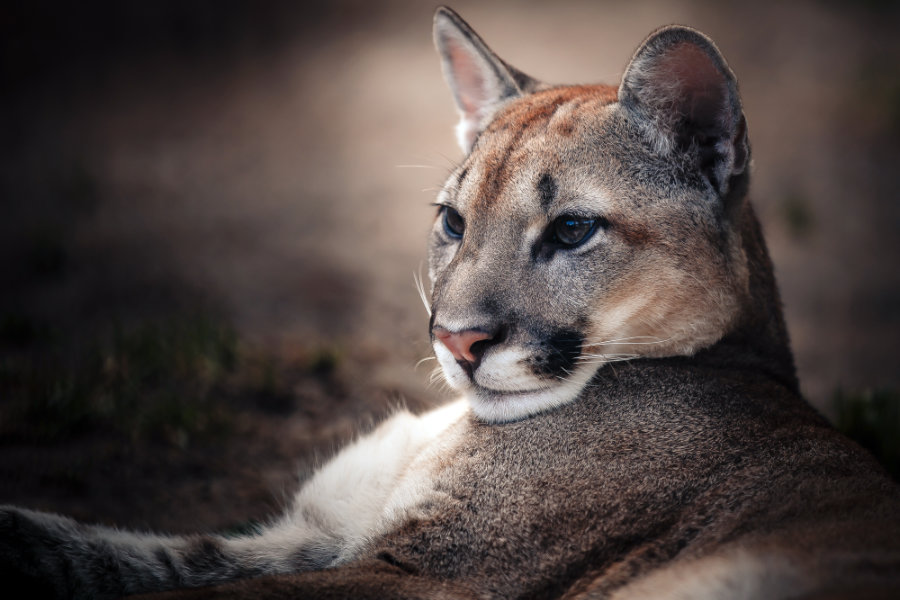
One of the primary reasons behind the project is the declining genetic diversity of mountain lions living in the Santa Monica Mountains.
For years, wildlife researchers have warned that major freeways and expanding development have isolated mountain lion populations, limiting their ability to find mates outside their own territory.
That isolation can lead to inbreeding, which threatens the long-term survival of the population.
Scientists have documented concerning genetic problems among local mountain lions, including physical abnormalities associated with inbreeding.
The new crossing is intended to reconnect the Santa Monica Mountains with the Simi Hills and other surrounding wilderness areas, allowing animals to move more freely and potentially introduce new genetic diversity into isolated populations.
The project also carries a special connection to the late mountain lion known as P-22, the beloved Los Angeles cougar who became a symbol of wildlife struggling to survive in an increasingly urban environment.
P-22 captured the attention of millions after living in Griffith Park, surrounded by busy freeways and development. His story helped bring national attention to the dangers facing wildlife in Los Angeles.
His legacy became an important inspiration for the effort to build a safer future for California’s mountain lions.
Wildlife Is Already Exploring the Bridge
Even before its official opening, the crossing has already attracted attention from the animals it was designed to protect.
In October 2026, a remote camera operated by National Park Service researchers captured a coyote climbing the southern slope of the unfinished crossing. The photograph, taken October 28, marked an exciting early milestone for the project.
By November, additional wildlife activity had been reported, including young coyotes exploring the vegetation.
Researchers have also documented mountain lions, bobcats, mule deer, and gray foxes in the surrounding area. Birds, bees, and other small creatures have also begun making use of the newly planted landscape.
For conservationists, these early signs offer encouragement that the enormous structure could become an important part of the region’s natural ecosystem.
A Massive Engineering and Conservation Achievement
Building the crossing has required years of planning, engineering, fundraising and construction. The project began construction in 2022 through a partnership involving Caltrans, the National Wildlife Federation, the National Park Service, conservation organizations, and private donors.
The bridge itself is covered with thousands of native plants and specially prepared living soil designed to support a natural habitat. Construction also included sound barriers intended to reduce the noise of freeway traffic, helping create a more comfortable environment for animals.
The overall project has required an estimated $114 million, supported by public funding, conservation grants, and private contributions.
The crossing is not simply intended to help large animals. It is designed to restore a larger ecological connection, benefiting many species that depend on healthy, connected habitats.
Scientists Will Be Watching
The National Park Service is preparing an extensive wildlife-monitoring program to study how animals use the crossing.
Remote cameras will document which species travel across it, how frequently they use it and whether the structure is helping reconnect previously isolated wildlife populations. Researchers will also study longer-term changes in animal movement, genetics and habitat conditions.
Scientists emphasize that the real success of the project will not be measured simply by how many animals walk across the bridge. Its greatest achievement will be whether it helps restore a functioning ecosystem and improves the long-term survival of wildlife populations.
A Historic Opening Ahead
The Wallis Annenberg Wildlife Crossing is scheduled for its official opening to wildlife on December 2, 2026. When that day arrives, the massive bridge will represent more than an engineering accomplishment. It will mark an important step toward repairing some of the environmental damage caused by decades of expanding roads and development.
For motorists traveling along Highway 101, the crossing may look like another structure above the freeway. But for California’s wildlife, it could mean something much bigger: a chance to move freely, find mates, expand their territory, and survive for generations to come.
After years of planning and construction, one of Los Angeles County’s most ambitious conservation projects is preparing to give nature something that modern development took away—a way back home.
Editorial note: The December 2 opening date is the scheduled date, not an event that has already occurred.