CA Governor Newsom takes action to end puppy mill pipeline, bans declawing

Since taking office, Governor Newsom has signed several measures to end the retail sale of dogs, cats, and rabbits in California, prohibit toxicity testing on dogs and cats, ban the sale of new fur products, prohibit the use of animals like elephants and bears in circus acts, and ban hunting, trapping, or killing bobcats.
Jane Goodall, legendary primatologist, has died at age 91

Jane Goodall, a scientist whose studies of wild chimpanzees made her a household name, has died at the age of 91, according to an announcement posted by the Jane Goodall Institute.
‘Erasure of years of work’: outcry as White House moves to open Arctic reserve to oil and gas drilling

The Trump administration’s plan to expand oil and gas drilling in a 23m acre reserve on the Arctic Ocean is sparking an impassioned response, amid fears it threatens Arctic wildlife, undermines the subsistence rights of Alaska Natives, and imperils one of the fastest-warming ecosystems on Earth.
How radioactive rhino horns could help save the species from poachers

The black market trade in rhino horns is driving the species to near extinction. Now, scientists at a rhino orphanage in the Bushveld of South Africa are trying to protect them from poaching in a rather surprising way.
The law that saved the whales is under attack

A landmark law passed more than 50 years ago to protect whales, dolphins and other marine mammals in U.S. waters could be upended by amendments proposed on July 22 during a legislative hearing of the House Committee on Natural Resources’ Subcommittee on Water, Wildlife, and Fisheries.
Greenland wildlife crossing—set to be world’s largest—on time, under budget as project hits halfway mark

The project, located at milepost 165.4 near the Greenland interchange on I-25, is set to become the largest wildlife overpass in the world. It will be about 80,000 square feet in size and span six lanes of interstate traffic, connecting 54 square miles of protected land and open space.
Montana’s new landmark wildlife crossing laws

Montana has taken a major step toward protecting both wildlife and drivers with the passage of two groundbreaking pieces of legislation this spring: House Bill 855 and House Bill 932. Together, the new laws establish the state’s first dedicated funding streams for wildlife crossings, structures proven to reduce collisions and improve landscape connectivity.
In landmark opinion, World Court says countries must address climate change
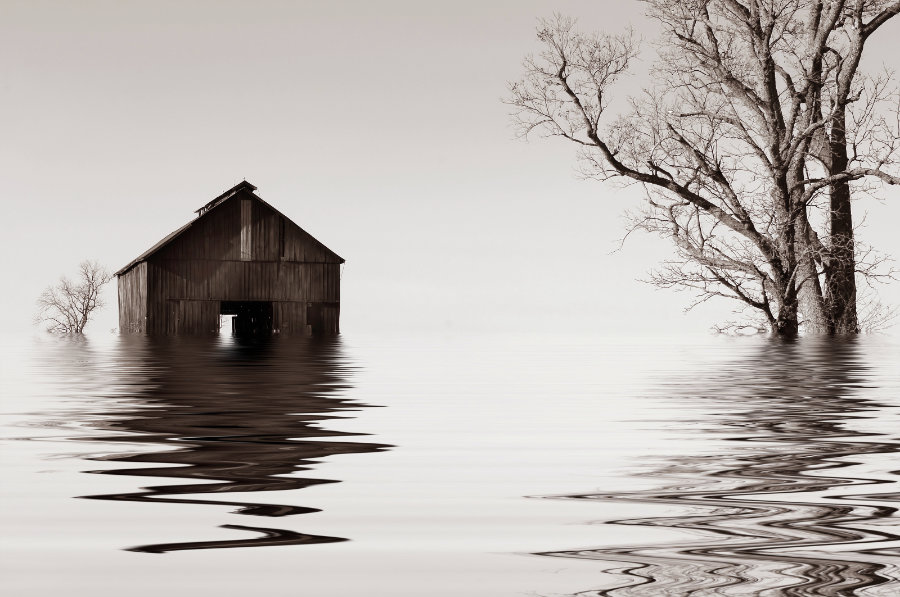
The United Nations’ highest court has told wealthy countries they must comply with their international commitments to curb pollution or risk having to pay compensation to nations hard hit by climate change.
Large-scale illegal wildlife shops in Laos found scamming Chinese tourists

The tours target elderly Chinese nationals, promising them all-inclusive trips to explore the historic ties between the two countries, often via the China-Laos railway. Upon arrival, tour groups are ferried from one shop to another, where sellers—mostly Chinese nationals themselves—use coercive and manipulative sales tactics to pressure tourists into buying illegal wildlife products, most of […]
House Appropriations Committee passes legislation to protect America’s wild horses and burros

American Wild Horse Conservation applauds the Representatives Juan Ciscomani (R-AZ) and Mark Pocan (D-WI) for their strong leadership on the House Appropriations Committee, which advanced strong pro-wild horse provisions in Fiscal Year 2026 Interior Department funding legislation. The committee drew a firm line against wild horse slaughter and allocated $11 million to prioritize humane management […]
California Academy of Sciences confirms 24 dead whales in the San Francisco Bay area in 2025

The California Academy of Sciences and partners at The Marine Mammal Center can confirm the unfortunate news that 22 whales have died in the wider San Francisco Bay Area region in 2025.
Extreme heat has animals trapped in a climate doom loop

Nearly all farm animals in the U.S. are confined in industrial operations that lack adequate space, ventilation or cooling systems. Animals raised in factory farms are among the most vulnerable to the impacts of the climate crisis.