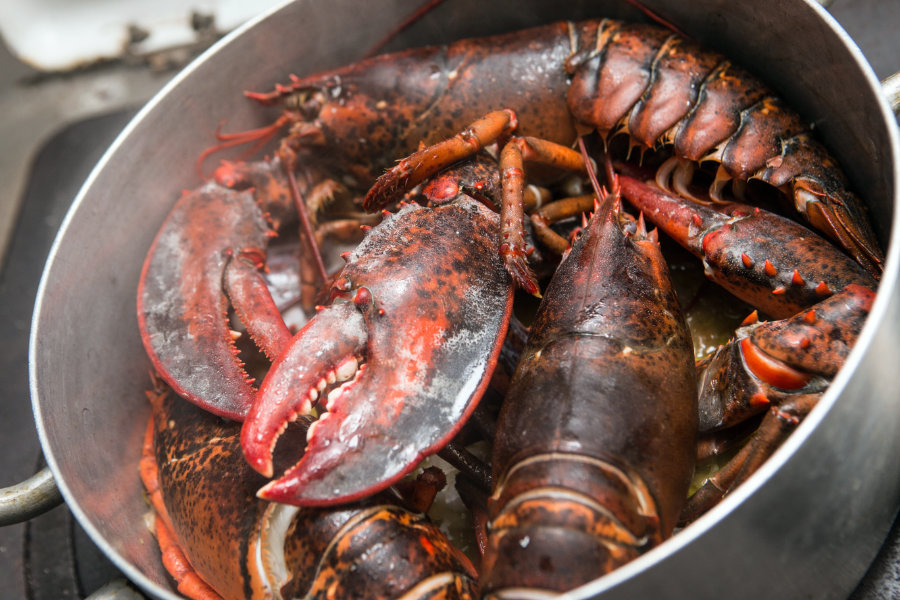
‘Those who eat Chilean salmon cannot imagine how much human blood it carries with it’

The country is the world’s second-largest producer of the popular fish, and the biggest supplier to the U.S., but its farms are beset by accusations of dangerous labor conditions, antibiotic overuse, and ecological harm.
Celebrating 50 years of the USA animal rights movement

As 2025 comes to a close, it’s the perfect time to take a moment to celebrate the golden anniversary of two extraordinary events that sparked the birth of the animal rights movement in the United States.
The tragedy of Laika, the first animal to orbit the earth

Soviet researchers launched the real Laika, a small black-and-white terrier mix, into space aboard the Sputnik 2 spacecraft, where she became the first living thing to orbit the earth, proving that life could survive both launch and outer space conditions for extended periods of time.
Wild honeybees now officially listed as endangered in the EU

Wild honeybee populations have been officially categorised as endangered within the European Union. That’s according to the latest update to the IUCN Red List, the world’s official database of species conservation statuses.
CA Governor Newsom takes action to end puppy mill pipeline, bans declawing

Since taking office, Governor Newsom has signed several measures to end the retail sale of dogs, cats, and rabbits in California, prohibit toxicity testing on dogs and cats, ban the sale of new fur products, prohibit the use of animals like elephants and bears in circus acts, and ban hunting, trapping, or killing bobcats.
Jane Goodall, legendary primatologist, has died at age 91

Jane Goodall, a scientist whose studies of wild chimpanzees made her a household name, has died at the age of 91, according to an announcement posted by the Jane Goodall Institute.
‘Erasure of years of work’: outcry as White House moves to open Arctic reserve to oil and gas drilling

The Trump administration’s plan to expand oil and gas drilling in a 23m acre reserve on the Arctic Ocean is sparking an impassioned response, amid fears it threatens Arctic wildlife, undermines the subsistence rights of Alaska Natives, and imperils one of the fastest-warming ecosystems on Earth.
How radioactive rhino horns could help save the species from poachers

The black market trade in rhino horns is driving the species to near extinction. Now, scientists at a rhino orphanage in the Bushveld of South Africa are trying to protect them from poaching in a rather surprising way.
The law that saved the whales is under attack

A landmark law passed more than 50 years ago to protect whales, dolphins and other marine mammals in U.S. waters could be upended by amendments proposed on July 22 during a legislative hearing of the House Committee on Natural Resources’ Subcommittee on Water, Wildlife, and Fisheries.
Greenland wildlife crossing—set to be world’s largest—on time, under budget as project hits halfway mark

The project, located at milepost 165.4 near the Greenland interchange on I-25, is set to become the largest wildlife overpass in the world. It will be about 80,000 square feet in size and span six lanes of interstate traffic, connecting 54 square miles of protected land and open space.
Montana’s new landmark wildlife crossing laws

Montana has taken a major step toward protecting both wildlife and drivers with the passage of two groundbreaking pieces of legislation this spring: House Bill 855 and House Bill 932. Together, the new laws establish the state’s first dedicated funding streams for wildlife crossings, structures proven to reduce collisions and improve landscape connectivity.
In landmark opinion, World Court says countries must address climate change
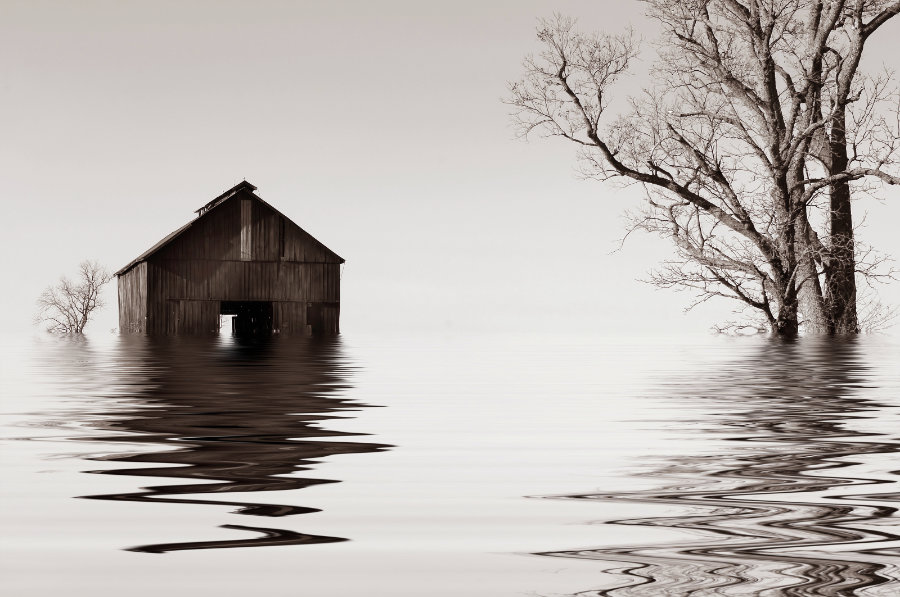
The United Nations’ highest court has told wealthy countries they must comply with their international commitments to curb pollution or risk having to pay compensation to nations hard hit by climate change.