
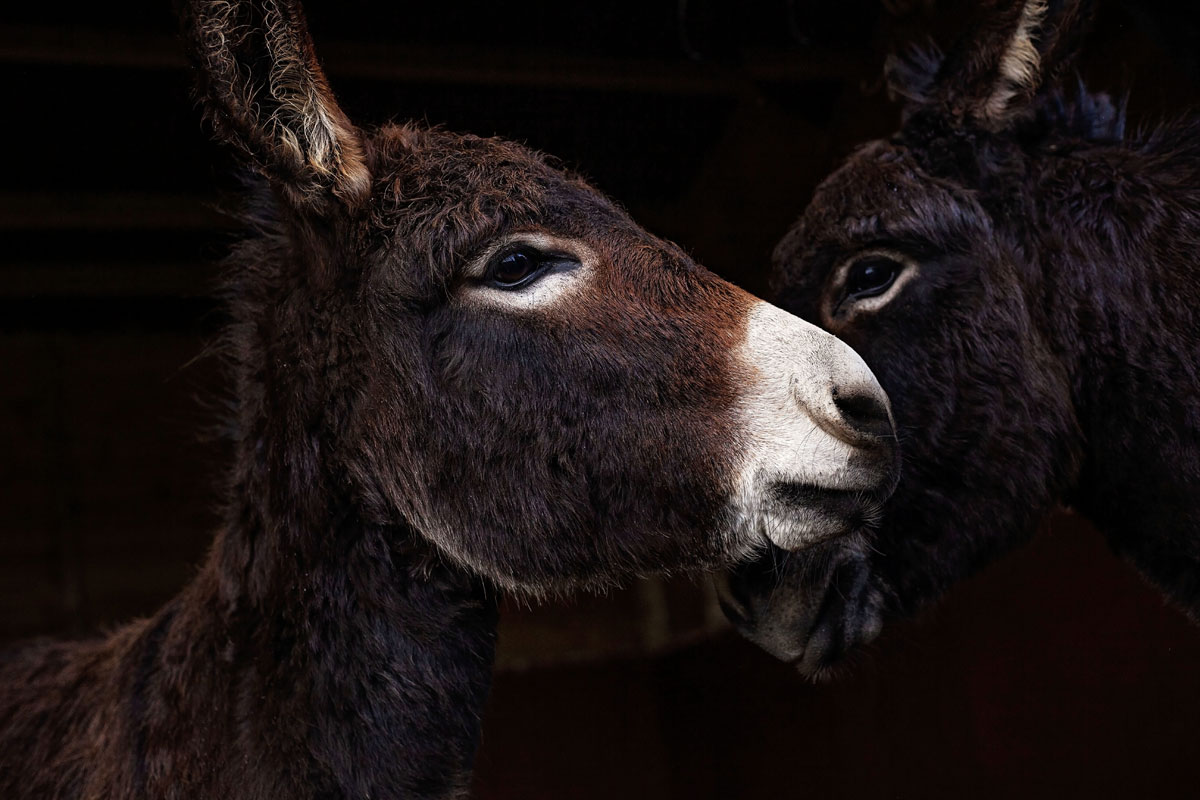
Donkeys are paying the price for China’s rapid progress and lost traditions
While China’s economy continues its dramatic transformation, it seems there is little room for sentimentality. Villages, once the cornerstone of Chinese culture, are being destroyed at a rate of 300 a day and valued traditions and customs are being eroded as progress is pursued at any cost. At the same time, intolerable cruelty is still inflicted on overwhelming numbers of animals in China as a matter of routine and to the dismay of much of the rest of the world. Is it possible to understand the complex web of events that have led to this and can we save the millions of donkeys who are the latest victims?
Sir David Attenborough had the nation gripped when the latest series of Planet Earth recently came to a close on BBC1. For most of the final episode, which focused on animals surviving in modern cities, things seemed to be going pretty well, at least for the hunters. There were leopards grabbing piglets in Mumbai, langurs hanging out with the locals in Jodhpur, hyenas being hand-fed in Harar, and peregrine falcons using sky scrapers as diving boards in New York City.
Then things took a turn for the worse. We watched helplessly as baby Hawksbill sea turtles in Barbados emerged from the sand for the first time. Instinct tells them to head straight for the sea, just meters away from where they hatch, guided by the moon. But they get confused. The bright lights of the city urge them to instead walk towards the road. Disaster. If they are not eaten by crabs or run over and killed, they die trapped in roadside drains.
The program was a stark reminder of how economic change can affect animals and the natural world. From baby turtles to tigers, wildlife has struggled against the rapid pace of modern development and the indifference of humans to their suffering.
What few people could have anticipated is that the domestic donkey, backbone of civilization and lifeline to millions, is now facing a threat on an unprecedented scale resulting from explosive demographic change in China.
Traditional Chinese Medicine
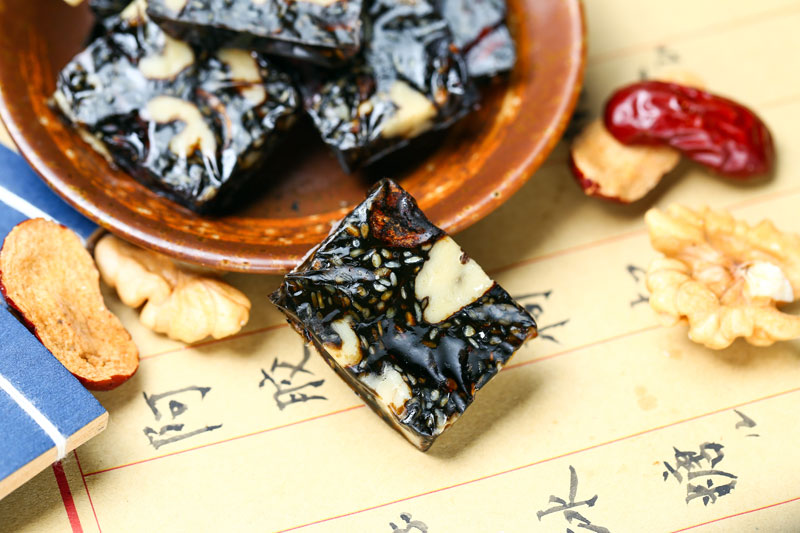
News has begun to reach mainstream media in recent years that around four million donkeys a year are being slaughtered for the production of Ejiao, a gelatin made from donkey hide and used in Traditional Chinese Medicine (TCM).
TCM originated in ancient China. According to the National Center for Complementary and Integrative Health (NCCIH):
“TCM encompasses many practices, including acupuncture, herbal medicine, tui na (therapeutic massage), dietary therapy, tai chi, and qu gong (practices that combine specific movements or postures, coordinated breathing and mental focus). TCM is rooted in the ancient philosophy of Taoism and dates back more than 2,500 years.”
Theories have evolved over the years and there is much variation in practice, but to sum up, the NCCIH lists the following as the four underlying beliefs of TCM:
1) The human body is a miniature version of the larger, surrounding universe
2) Harmony between two opposing yet complementary forces—yin and yang— supports health, and disease results from an imbalance between these forces
3) Five elements—fire, earth, wood, metal and water—symbolically represent all phenomena, including the stages of human life, and explain the functioning of the body and how it changes during disease
4) Qi, a vital energy that flows through the body, performs multiple functions in maintaining health
Regarding the status of TCM research, the NCCIH says:
“In spite of the widespread use of TCM in China and its use in the West, rigorous scientific evidence of its effectiveness is limited. TCM can be difficult for researchers to study because its treatments are complex and are based on ideas very different from those of modern Western medicine.”
While the vast majority of elements used in TCM are plant-based, there are many examples of the use of animals and their parts, including cow’s gallstones, toad secretions, centipedes, scorpions, testicles and penis bone of the dog, snake bile, bear bile, tiger bone, ivory, turtle plastrons, sea horses, manta rays, musk deer, antelopes, shark fins, and yes, donkey hides.
In China, it is not uncommon for animals used in TCM, and as culinary delicacies, to be cooked, skinned or eaten alive, as it is believed maximum benefit and/or flavor is derived this way. The contradictions of TCM can seem baffling. On the one hand, animals are granted almost mythical status as powerful, magical beings, prized for their strength and healing properties. On the other, there seems to be a disconnect with the notion that these same animals can feel pain, or that the idea of inflicting such pain is wrong.
Ejiao
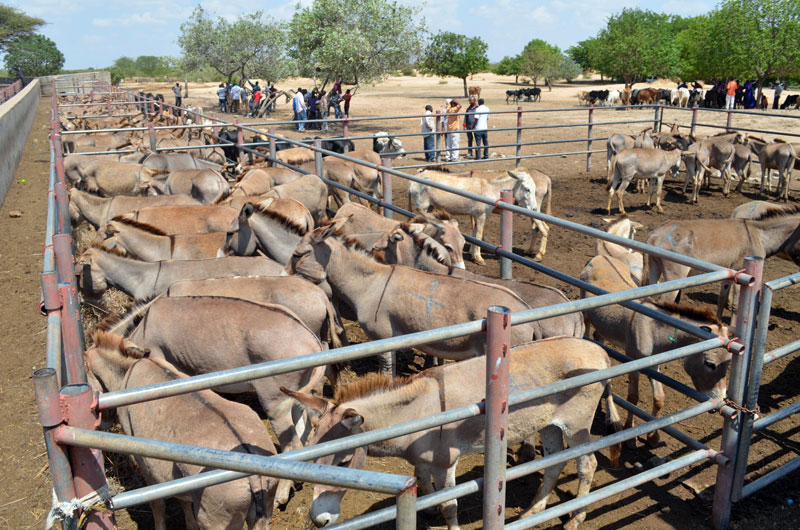
Along with Ginseng and Deer Antler, Ejiao is one of the Three Treasures of Traditional Chinese Medicine and, as such, it is no passing fad. However, once the preserve of Emperors, Ejiao is now in high demand among China’s new middle class, which is buying the product in unprecedented quantities, in the form of powders, health snacks, and skin cream.
Ejiao is produced in the Jiangsu, Zhejiang, and Shandong provinces of coastal China. It originated in Shandong’s Dong’e County, which, with more than 100 Ejiao factories, remains the epicenter of this multi-billion dollar industry.
Legend has it there was a well in Dong’e, which was used solely in the preparation of Ejiao for the emperor’s court. Tradition dictates that Ejiao be prepared during the late fall and winter, and it is supposed to be made from the skin of a recently killed, well-nourished, black donkey. The hide is laid out in the sun to dry for up to 45 days, and is then boiled and stewed.
These stipulations, along with the fact that donkeys are slow breeders, only producing one foal a year, make authentic Ejiao expensive to produce. For this reason, there have always been alternative versions on the market that are cheaper to make and mixed with other products. However, in Dong’e, ‘pure’ Ejiao is still manufactured and available to buy, albeit at a premium. Large breeds of black donkeys are being bred for Ejiao and producers are keen to make them even larger, so that more Ejiao can be extracted from young donkeys.
Donkey-hide gelatin is thought to dramatically improve blood circulation, thereby curing a host of medical conditions, including dizziness, insomnia, coughing, and palpitations, as well as preventing miscarriage, infertility, and age-related diseases. It is given to workers to prevent fatigue, and men take it to increase virility. One of its main uses today is as an anti-aging product for women, who believe that it improves the complexion and promotes long-lasting youthfulness.
The Evidence
Ejiao does contain collagen, so these claims are not entirely without basis, but the benefits have been vastly exaggerated. Not that everyone is taken in. Plenty of people in China today are skeptical about TCM and with good reason. Scientific studies have produced little to no evidence to support the claims made about its benefits. However, to hold TCM up to rigorous scientific testing of the kind used in Western medicine is to miss the point.
James Palmer, travel writer and commentator on modern Chinese history and society, makes an important observation:
“Scientific treatments might not satisfy the same emotional or symbolic needs that TCM does. The magical association with the bear’s strength and the ‘natural’ production of bear-bile are far more significant to TCM users than the actual effects of the drug. If traditional Chinese treatments or medicines are proven to work, then they stop being TCM and simply become part of the corpus of global evidence-based medicine.”
The benefits of TCM vary, depending on which individual practitioner you speak to. While some make outlandish claims that TCM can cure cancer, most reputable TCM doctors will refer patients with serious health problems for conventional treatment. According to Palmer, “TCM is strongest where conventional medicine is weak—chronic back pain, migraines, persistent fatigue.”
TCM and Animal Welfare
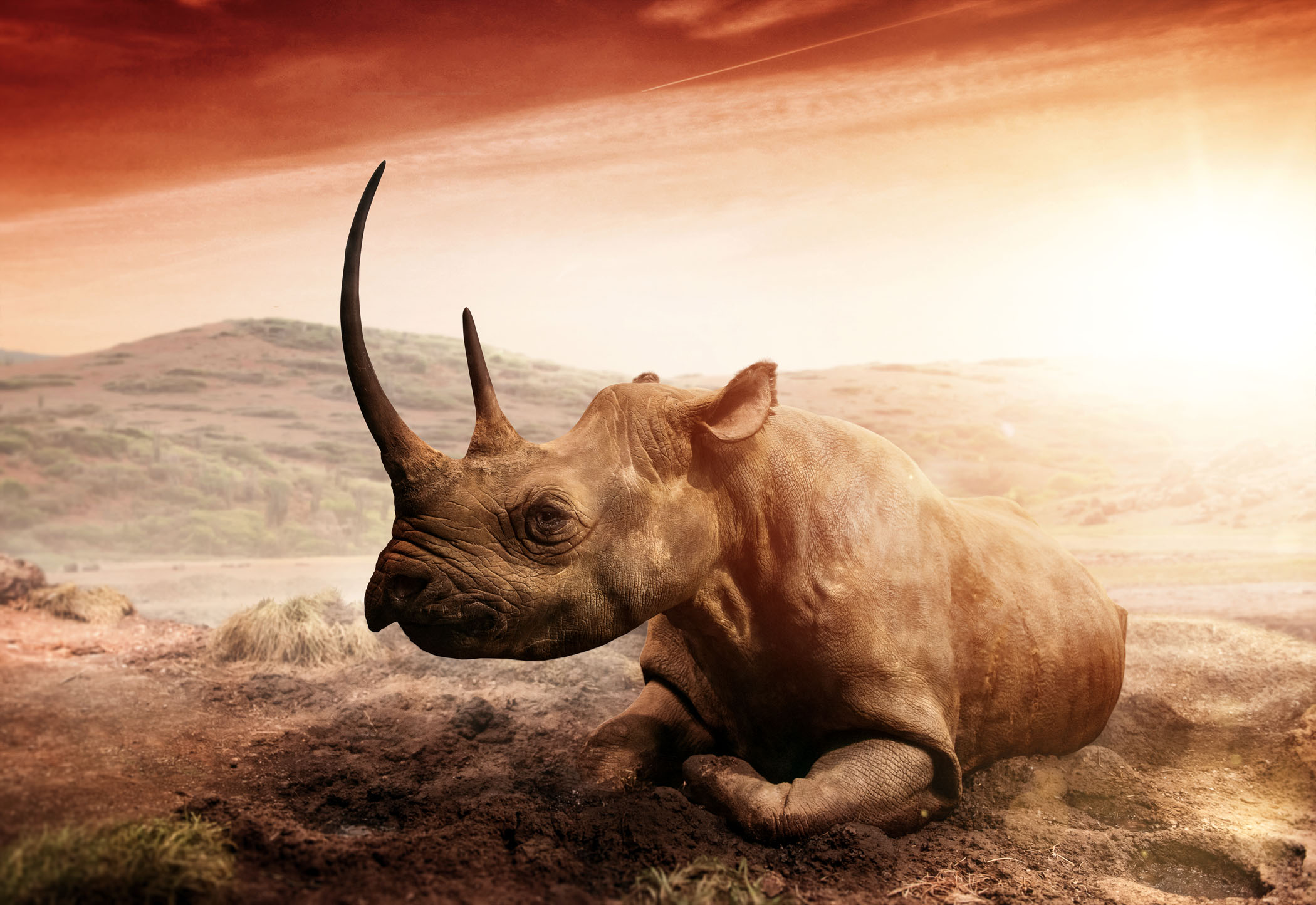
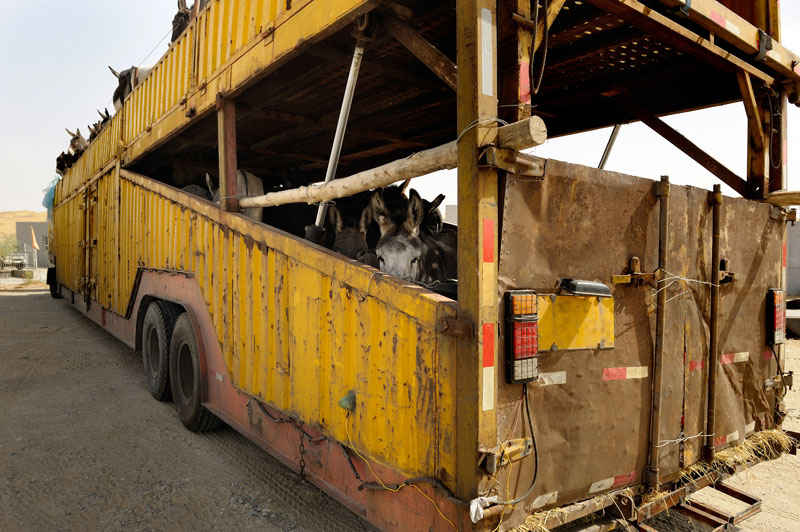
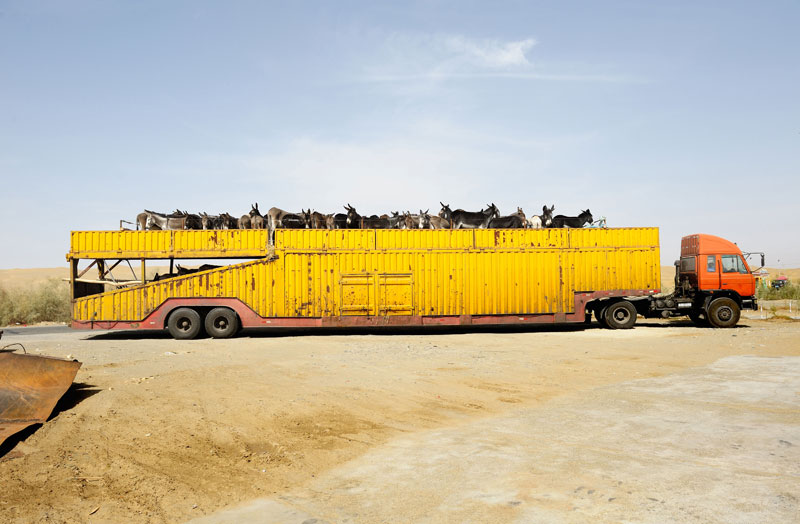
Whatever your views on TCM, it’s clear that animal welfare is simply not on the radar and protection of animal populations only comes into consideration when supplies are running low. Methods of transport, housing, and slaughter are notoriously cruel. Eating, skinning, and boiling animals alive is common practice. Many species are now endangered almost entirely due to TCM, including tigers, rhinos, elephants, and sharks.
It is important to point out here that no country has a blemish-free record when it comes to the treatment of animals. Animal welfare legislation is a fairly recent development in most places. However, the single-minded pursuit, endangerment, and torture of sentient and often highly intelligent animals for TCM is a phenomenon that many of us today find difficult to comprehend.
One thing is for certain. The surge in popularity of Ejiao represents a donkey welfare crisis of the kind we have never seen before. It’s on a global scale and, according to some experts, is threatening the very existence of these beloved creatures.
Government Backing
The woman in the video has long black hair, no grays. The camera lingers and closes in while the hairdresser makes long, gentle strokes with the brush. Back at the woman’s house, we hear how, when she was young, she used to feel tired a lot, but that now she regularly climbs mountains and gets to the top faster than her younger counterparts. Full of energy, she has no need for help around the house, preferring to do all her own chores.
She says she used to feel the cold, always needing extra layers, even in warm weather. She holds out her hand for the interviewer to touch and says she’s always warm these days. We focus on her ruddy complexion and plump skin. She looks good for her age. Then we watch her adding a specially prepared brown paste to her soup, something she’s done twice a day for 40 years. She sips the soup contentedly. The woman is 90 and this is a video released by Chinese state television to promote Ejiao.
David C. Duncan, donkey welfare advocate and former vice-president of Peaceful Valley Donkey Rescue (the largest donkey rescue organization in the United States) has been researching the Ejiao market and its impact on worldwide donkey populations for several years. He explains the role of the government in the recent surge in demand for Ejiao:
“When the Communist Party Member Qin Yufeng took control of the consolidated Ejiao factories around 2005, he began an aggressive marketing campaign with the weight of Chinese State Media behind it, which drove demand to the point in 2010 that Yufeng began appearing before his comrades in the People’s Congress demanding subsidies for domestic donkey breeding and calling for aggressive imports.”
And according to James Palmer, “TCM has been institutionalized, incorporated into the state medical system, given full backing in universities and is administered by the state. In 2012, TCM institutes and firms received an extra $1 billion in government money, outside the regular budget. TCM as a whole is a $60 billion dollar industry in mainland China and Hong Kong.”
The Numbers
It is estimated that donkeys are being killed for hides in China at a rate of four million a year. As a result, China’s donkey population has shrunk to such an extent that it is now importing donkey hides from Africa, Asia, South America, and the Middle East. This has increased the market value of donkeys, making it difficult for families who depend on donkeys to afford them.
“The price of a working donkey has rocketed, sometimes by a factor of 10. For example, in Egypt, the price of a donkey has gone up from £17 (LE200) to £170 (LE2000) in just a few years. This makes them all but unaffordable to millions of the world’s poorest people who rely on them for their livelihoods.” –The Donkey Sanctuary
In Tanzania, donkeys are being stolen and slaughtered near to homes, where the loss of a donkey is devastating to families. Children are forced to stop going to school so that they can help with essential tasks such as fetching water.
Burkina Faso, finding its donkey population falling drastically, has now banned the export of donkey hides to China. Niger has also imposed a ban, after exporting 80,000 this year alone. However, thousands of donkeys continue to be killed and exported illegally in these countries.
In the meantime, other countries are actively encouraging the donkey hide industry. In West Kenya, Chinese nationals have set up a donkey slaughterhouse, where up to 100 donkeys a day can be butchered.
Egypt has recently signed a deal to export 10,000 donkeys per year to China. In Australia, where there have been concerns over the large population of feral donkeys, negotiations are underway to export large numbers of donkeys to China.
The Donkey Sanctuary is deeply worried by this situation, as CEO Mike Baker comments:
“At a time when the suffering of animals farmed on a mass scale has never been clearer and when the unsustainability of industrialized livestock farming is helping to wreck both climate and communities, we shouldn’t be expanding the circle of species selected to suffer.”
David C. Duncan, who has taken on the unenviable task of keeping the donkey loving public informed of developments in the donkey-hide industry, from his home in Texas, takes a pessimistic view:
“The nature of the issue, how it is such a small part of the overall problem with expanding Chinese Capitalism, the very small concern the world has always shown for donkey welfare, the sheer numbers of donkeys already killed, and the projected numbers of increased Ejiao demand and production, has led me to believe that the only sane option left for me is to prepare for the eventual extinction of the domestic donkey.”
He warns that the Ejiao market should not be seen as a solution to the overpopulation of wild burros or the large numbers of donkeys in rescue centers. He says, “Kill pens have filled up with donkeys in the past three years. Unwanted donkeys who previously had no livestock value whatsoever now have a place to go, for profit.”
Rapid Development
Since the introduction of economic reforms in 1978, China has become the fastest growing economy, the biggest manufacturer and the biggest exporter in the world. Yangshan is the largest port in the world, built over 3.94 square kilometers and used by 12 million container ships every year. 40,000 barrels of crude oil are driven out of the Taklamakan desert every single day.
In 1993, the average train speed was 30 mph. Now, less than 30 years later, China has more high speed trains than the rest of the world combined. It has the busiest metro system in the world with 340 miles of track, set to quadruple in the next few years.
With a population of over 1.34 billion, China is the most populous country in his-tory. The capital, Beijing, is home to over 21 million people. Shanghai has a population of over 24 million. These mega cities are hazardous places. Roads are congested, causing 70,000 deaths a year and, in 2012 alone, one million people died from pollution-related illnesses.
In the 1980s, China began growing its economy by producing and exporting cheap goods. Today, the country aspires to producing higher value, better quality goods. Expensive cars, luxury apartments, expensive jewelry, and hi-tech goods are symbols that say you’ve made it in Chinese society.
China’s 250 billionaires, thousands of millionaires, and the new middle class, now half a billion strong, may be dazzled by their new found prosperity, but it has come at a cost.
Longing for Lost Traditions
In 1966, on the heels of the Great Famine, in which tens of millions died of starvation, Chairman Mao famously launched the Cultural Revolution, in which he waged war on the ‘four olds’—traditional Chinese ideas, customs, habits, and culture. Ken Swensen, writing for Animal Advocacy in 2015, describes the brutality that defined this period of Chinese history:
“Mao let loose the Red Guards, empowering gangs of often violent schoolchildren and college students to destroy everything associated with the traditional culture and everyone they deemed to be part of the ‘old’ China. The wanton and reckless violence that followed thrust China into a nationally sponsored Lord of the Flies, further damaging the country’s ethical compass amid a singular focus on survival at any cost.”
Chinese people today are keen to recapture some of their lost traditions. There has been a big revival of the Traditional Chinese Tea Ceremony, which is now a popular way for the middle classes to unwind and feel a connection to ancient customs.
Ian Johnson, writing for the New York Times in 2014, recounts how a group of amateur musicians meet once a week under the highway overpass on the outskirts of Beijing. They carry with them “drums, cymbals, and the collective memory of their destroyed village. They set up quickly, then play music that is almost never heard anymore, not even here, where the steady drone of cars muffles the lyrics of love and betrayal, heroic deeds, and kingdoms lost.”
The village where they used to live has been torn down to build a golf course. Across China, rapid urbanization means village life is rapidly disappearing, and with it, traditions and history. Johnson quotes well-known author and scholar Feng Jicai, “Chinese culture has traditionally been rural-based. Once the villages are gone, the culture is gone.”
Hope for the Future
Peter Li, professor of Asian Politics at the University of Houston-Downtown, acknowledges that animal suffering is unprecedented in China in both magnitude and welfare conditions. He says the country has lagged behind the industrialized nations in animal protection legislation for more than 180 years. However, although humane slaughter is a new concept in China and Chinese authorities are reluctant to assert any controls which could jeopardize economic growth, Professor Li has some cause for optimism.
He says that the younger generation in China, often raised as only children and free of the hardships suffered by their parents and grandparents, have a different and more caring attitude to others and also to animals.
Increasing opposition to bear bile farms, shark hunting, and the consumption of dog and cat meat, is putting pressure on the government to implement legislation to protect domesticated and other animals. And although political leaders seem resistant to change, Professor Li observes positive trends:
“Recently, more officials who graduated from humanities and social sciences are entering politics. It is expected that these officials will have a more complex vision of China’s development. A humane China is only a matter of time. I am optimistic about animal protection in China in the not too distant future.”
Rosie Blau’s 2016 article on China’s new class war in The Economist would suggest that the young middle class (the very people currently fueling demand for Ejiao), might just be the ones who turn things around:
“Though China’s population as a whole is aging, the middle class is getting younger. Nearly half of all people living in cities are under 35: they are eight times more likely than country-dwellers to be university graduates. The internet has expanded their horizons, even if the government shuts out many foreign websites and quashes dissenting voices. Today’s young Chinese tend to do what they want, not what society expects—a profound and very recent shift. Most of these young people exercise their autonomy by choosing their own marriage partners or shelling out for new cars. But many have an appetite for civic engagement too: they are the foot-soldiers of China’s non-government organizations, a vast, though often politically sensitive, array of groups seeking to improve society in a variety of ways.”
There is also a shift in TCM practices. According to Brian Duignan, writing for Advocacy for Animals in 2007:
“Although the use of animal parts in TCM is deeply ingrained and such practices are slow to change, dialogue between conservationists and TCM practitioners is underway.”
In his 2012 interview for Forbes, Peter Li says, “Progressive and forward-looking TCM doctors have vowed not to use wildlife animal products as ingredients.”
Irene Feng, of Animals Asia, believes animal welfare is a growing cause in China. Writing in 2015, she lists five ways in which attitudes to animals are changing for the better:
- Local government is listening to advice and taking action
- The media has made animal welfare a national issue
- The public is speaking out and taking action
- Home-grown animal welfare groups have emerged
- Companion animals and their care
According to Feng, a flurry of local groups run by passionate young people has emerged in the last few years, campaigning for improved animal welfare. Since 2006, their numbers have risen from 30 groups to more than 150, while the scope of their work has also expanded.
The annual China Dog Ownership Management Symposium, that was set up by Animals Asia and that began with only a handful of officials attending, has grown significantly, with 320 staff from government departments in 46 cities being trained at the symposium in 2014. Feng explains how the increase in companion animals is having a positive impact on attitudes:
“With the increase in pet ownership… there is an increase in the need for effective veterinary services to care for the many millions of companion animals across the country. At the end of 2014, the veterinary authorities voted to include the teaching of animal welfare concepts within the national veterinary curriculum.
“As people live longer, the one-child policy can mean parents are left lonely when children move on, and dogs and cats offer the companionship they often crave. From there, it’s a short step to actively taking an interest in wider animal issues.”
There is a burgeoning animal rights movement in China, with the founding of Animals Asia in 1998 and the Chinese Animal Protection Network in 2004. According to Advocacy for Animals, frustration over the slow pace of proposed legislation, coupled with a fondness for pets among the more affluent, has helped fuel a growing concern for all animals in China. Petition drives, rallies, and protests promoting animal welfare are now common. The involvement of high profile celebrities has also been a contributing factor.
Chinese pop singers, artists, actors, and sports stars have given public support to animal rights organizations. Hong Kong born action film star Jackie Chan famously spoke out against bear-bile farming in 2014. In an interview with Adam Vaughan for The Guardian, Chan said that his relationship with animals was influenced by having been brought up in a household that always had pets. He said:
“With education, people will understand. Everyone has a good heart.”
Ken Swensen echoes the belief that education is the key:
“Without understanding that animals have emotions and feel pain, there is no chance of making moral decisions that limit their suffering. As a nation, China is still suffering from a form of post-traumatic stress disorder. More confrontation can add to the problems. Education, on the other hand, is better received, highly valued, and strenuously pursued by individuals and families.”
Yet, with the overwhelming scale of the donkey-hide industry and demand still growing, it’s hard to take much comfort from these developments. The worldwide donkey population is in imminent danger. Marjorie Farabee, Director of Wild Burro Affairs at the Wild Horse Freedom Federation, says alarm bells should be ringing:
“In the United States, the population of donkeys is estimated to be between 250,000 and 400,000. Our wild burro population ranges between 4,000 to 10,000 total on all BLM public lands. They are already in trouble. The Chinese demand is for ten million donkeys a year. Currently, they are able to provide four million donkeys a year. Clearly, at this rate, our population of donkeys in the United States would be wiped out in a few months. We cannot allow this to happen in the States. Yet, weekly, there has been a clear increase of our donkeys being exported to Mexico for slaughter.”
So what can we do? Back to the baby turtles, there is some good news. After filming, the crew managed to place all of the turtles filmed into the sea. Better still, devoted members of the Barbados Sea Turtle Project, set up 20 years ago, now spend every night of the hatchling season rescuing as many turtles as they can find and returning them safely to the water. Even then, only one in every thousand turtles that makes it to the sea survives. The volunteers often feel overwhelmed as the number of turtles dying makes it seem like an impossible problem. The head of the charity says:
“If there was one single thing that I would say is necessary for change, it’s for you to get up, go out of your house, and do something. It’s a question of coming together and deciding to make a difference.”
What Can You Do to Help?
The Donkey Sanctuary published an extensive report, Under the Skin, into the emerging trade in donkey skins and its implications for donkey welfare and livelihoods. Staff from the sanctuary have been working on the ground in places where legal and illegal slaughter is being carried out, helping people build secure shelters for donkeys, making them harder to steal. They have also been collaborating with Asia for Animals to support NGOs.
To help, you can:
1) Support the work of The Donkey Sanctuary by visiting The Donkey Sanctuary.
2) Write to your government.
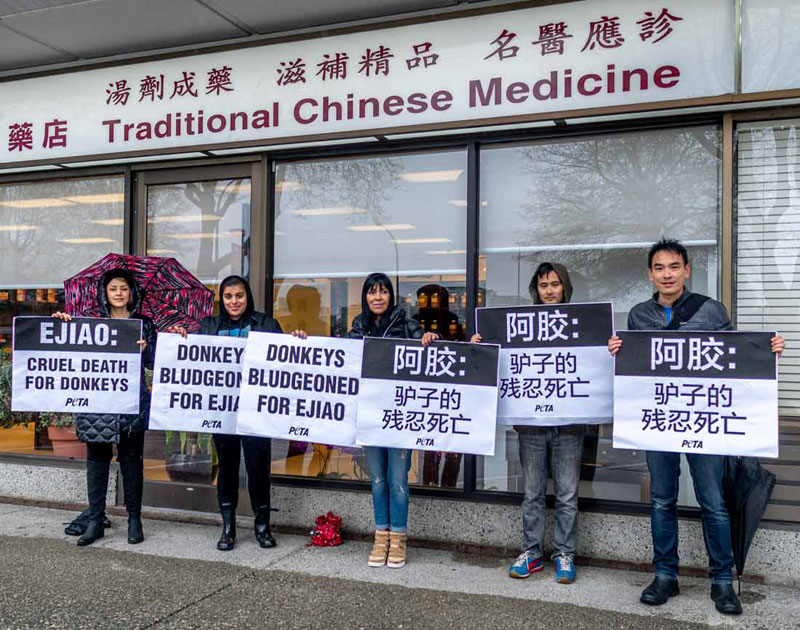
3) Write to Amazon and eBay asking them to stop selling Ejiao products on their sites.
4) Raise awareness of this new global threat to donkeys by telling friends and family, sharing information on social media and encouraging people you know to take action.
5) Support your local donkey sanctuaries and charities.
6) Support Brooke by visiting The Brooke.
“We are deeply concerned about reports of donkeys in African countries being stolen, mistreated, and cruelly slaughtered for their hides—to meet demand from China. This demand also puts pressure on families who rely on the labor of these animals to earn a living. This is a complex issue, so we are working on a country-by-country basis to protect the welfare of donkeys and people’s livelihoods.” —Brooke Action for Working Horses and Donkeys
Thank you to Ben Swift and Madeline Cooper for their help with this article.
Amy Swift is the Founder of Donkey Wise. It is with her kind permission that we have reprinted this article from her web site, and which she updated with the most current facts regarding the trade in donkeys. To learn more about the trade, read the report, Under the Skin.
“Heaven, to me, is standing in a field full of donkeys.” –Amy