
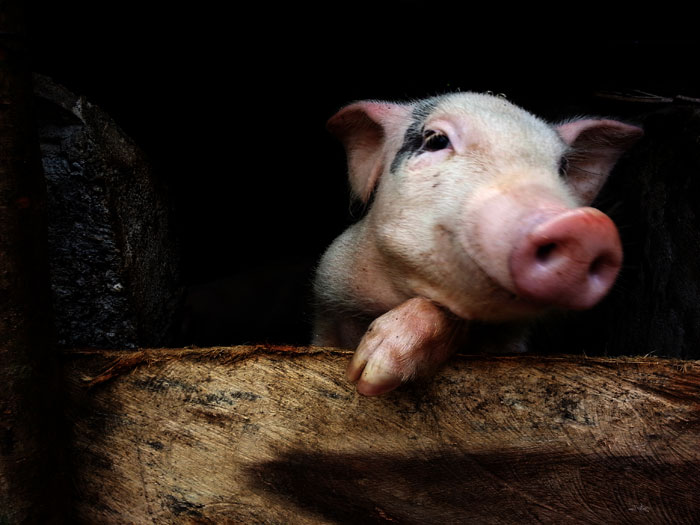

Misothery, a term coined by author Jim Mason, means the hatred of or contempt for animals and nature. It is connected to the belief that humans are superior to other species and is rooted in the fear of our own animality. Mason connects this concept to other forms of prejudice, suggesting that attitudes of misothery can be transferred to people who are perceived as closer to animals or nature, leading to issues like racism and sexism.
Origins and nature:
- Greek roots: The word combines the Greek words for ‘hatred’ (misos) and ‘animal’ (therion).
- Shift in worldview: Mason argues that primal societies had a sense of kinship with animals, but the advent of domestication and agriculture led to a view of animals as inferior and for human exploitation.
- Fear of animality: At its core, misothery is seen as a projection of human self-hatred for our own animal nature, vulnerability, and mortality.
Consequences and connections:
- Contempt for animals: Misothery manifests as the exploitation of animals for food, labor, or research, and the extermination of those considered pests.
- Link to other prejudices: The term is used to draw parallels between the treatment of animals and other forms of oppression. For example, the idea that certain groups are ‘sub-human’ can be seen as an extension of misothery.
- Speciesism: Misothery is related to the concept of speciesism, the belief that humans are superior to other species.
- Environmental impact: Mason suggests that this alienation from nature, driven by misothery, is a contributing factor to the current environmental crisis.